
Privacy - 8 min read
What Local Background Removal Protects - and What It Does Not
A technical privacy guide to browser-based processing, model downloads, analytics, advertising, and safe handling after export.
Published: 2026-06-22 - Updated: 2026-09-06
Written and reviewed by QuickBGCut Lab
Guidance is checked against the current browser pipeline and the published test set. See the test methodology and known limitations.
Updated September 6, 2026 to identify the homepage advertising partner and clarify the limits of Google's consent controls.
Key takeaways
- •QuickBGCut processes selected image bytes in the browser rather than sending them to a QuickBGCut image-processing server.
- •The page still connects to model, analytics, advertising, and hosting services.
- •A locally processed signature or portrait remains sensitive after it is downloaded.
Published evidence
Inspection points used in this guide
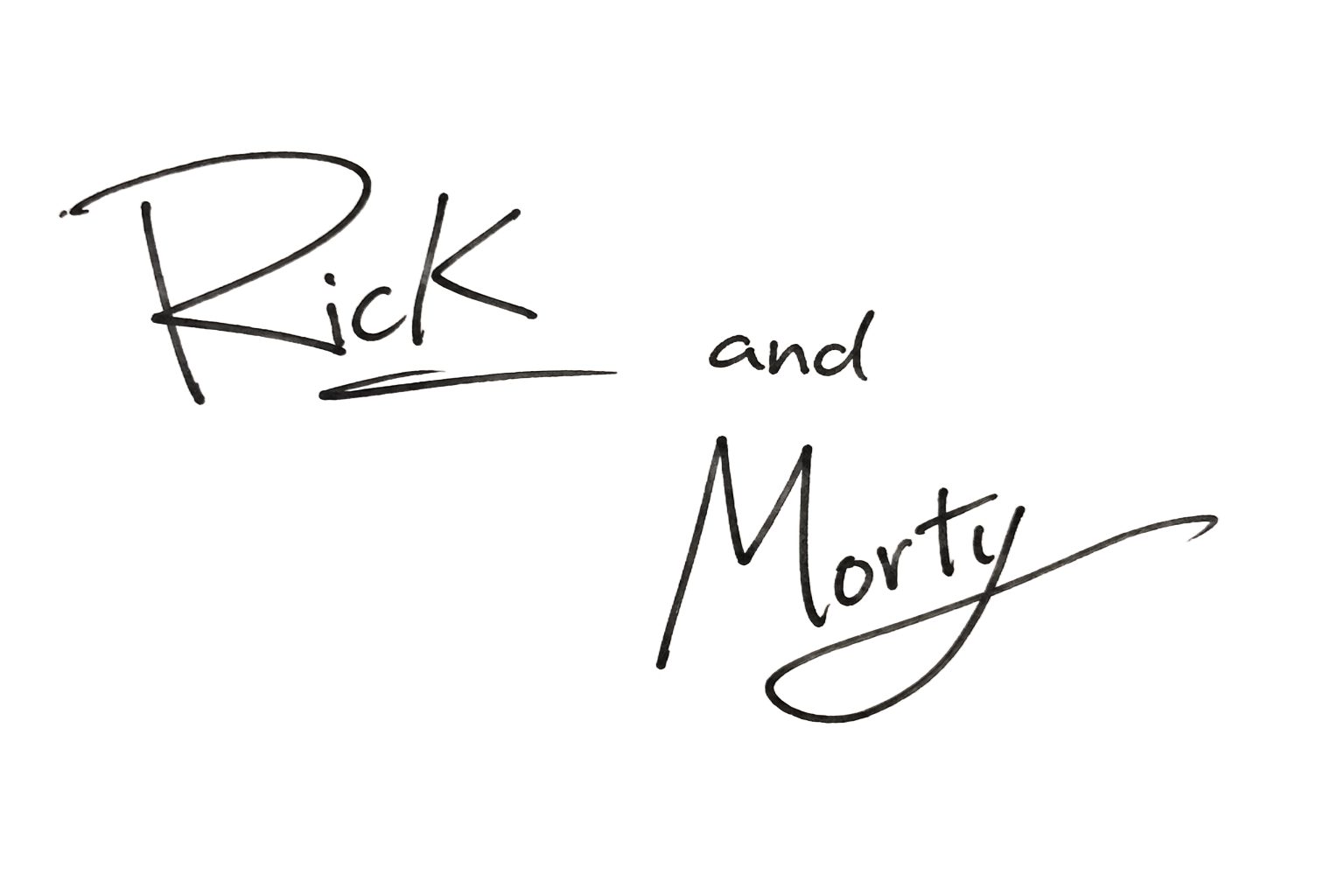
Ink signature on paper · Low contrast and shadows
Thin middle word remains legible
The lightest strokes survive but become softer than the larger letters. Test them at the intended print scale.
Open source measurements and full-size result
Portrait with loose hair · Portrait and hair
Arm silhouette is stable
The high-contrast arm edge is continuous and clean enough for small profile or social layouts.
Open source measurements and full-size resultWhat stays in the browser
When you select an image, QuickBGCut reads it through the browser, runs the segmentation model with WebAssembly, and creates the result as a local Blob. The original image and generated PNG are not posted to a QuickBGCut image-processing endpoint.
This design is useful for ordinary product photos, portraits, and signatures because the main edit does not require an account or a remote job. It is still important to use the genuine site, a current browser, and a device you trust.
Local image processing is not an offline page
The browser downloads application code and model files from QuickBGCut's hosting environment. The site also uses Google Analytics, the AdSense script, and a homepage display-ad partner delivered through profitableratecpmnetwork.com. Those services can receive normal page and device information as described in the privacy policy, even though the selected image bytes are not included in the analytics events we send.
QuickBGCut's product events record counts, broad file types, success or failure, duration, and download actions. They do not include filenames, image pixels, extracted subjects, or generated PNG contents.
Consent choices
For visitors in the EEA, UK, and Switzerland, the site initializes Google consent settings with analytics and advertising storage denied. Google's certified consent message can update choices for Google services, and eligible visitors can reopen it through the privacy control in the footer. That control does not manage third-party advertising partners.
A consent banner does not make a sensitive image harmless. Organizations with strict data rules should follow their own approved software and retention policies before using any browser-based editor.
Protect the downloaded file
A transparent signature can be easier to misuse than the paper photograph it came from. Store it outside public cloud folders, delete temporary copies on shared devices, and insert it only into documents you are authorized to sign.
Portraits and unpublished product images deserve similar care. Review where the output is saved, who can access that folder, and whether the transparent master needs to be retained after the final derivative is created.
- •Use a trusted device and updated browser.
- •Do not include filenames or private identifiers in support messages unless necessary.
- •Delete sensitive exports from shared download folders.
- •Keep originals and derivatives under the same access policy.
Related tools
More guides
Workflow - 8 min read
How to Remove a Background and Check the Result
A practical browser workflow for creating a transparent PNG, with measured examples showing which edges still need review.
Troubleshooting - 8 min read
White Edge and Halo Diagnosis After Background Removal
Use real bottle, signature, and logo results to identify pale fringes and decide whether to reshoot, retry, or retouch.
Failure analysis - 9 min read
Why Background Removal Fails on Hair, Glass, and Shadows
A failure analysis using 12 documented inspection points from QuickBGCut's portrait, glass, and low-contrast test files.