
Failure analysis - 9 min read
Why Background Removal Fails on Hair, Glass, and Shadows
A failure analysis using 12 documented inspection points from QuickBGCut's portrait, glass, and low-contrast test files.
Published: 2026-06-22 - Updated: 2026-07-22
Written and reviewed by QuickBGCut Lab
Guidance is checked against the current browser pipeline and the published test set. See the test methodology and known limitations.
Updated July 22, 2026 with measured timings, alpha statistics, and twelve linked observations from the glass and portrait sources.
Key takeaways
- •The model estimates a boundary; it does not know the physical object behind every pixel.
- •Hair and glass contain mixed pixels that cannot be cleanly classified as only foreground or background.
- •A useful first cut can still be unsuitable for large-format or precision work.
Published evidence
Inspection points used in this guide
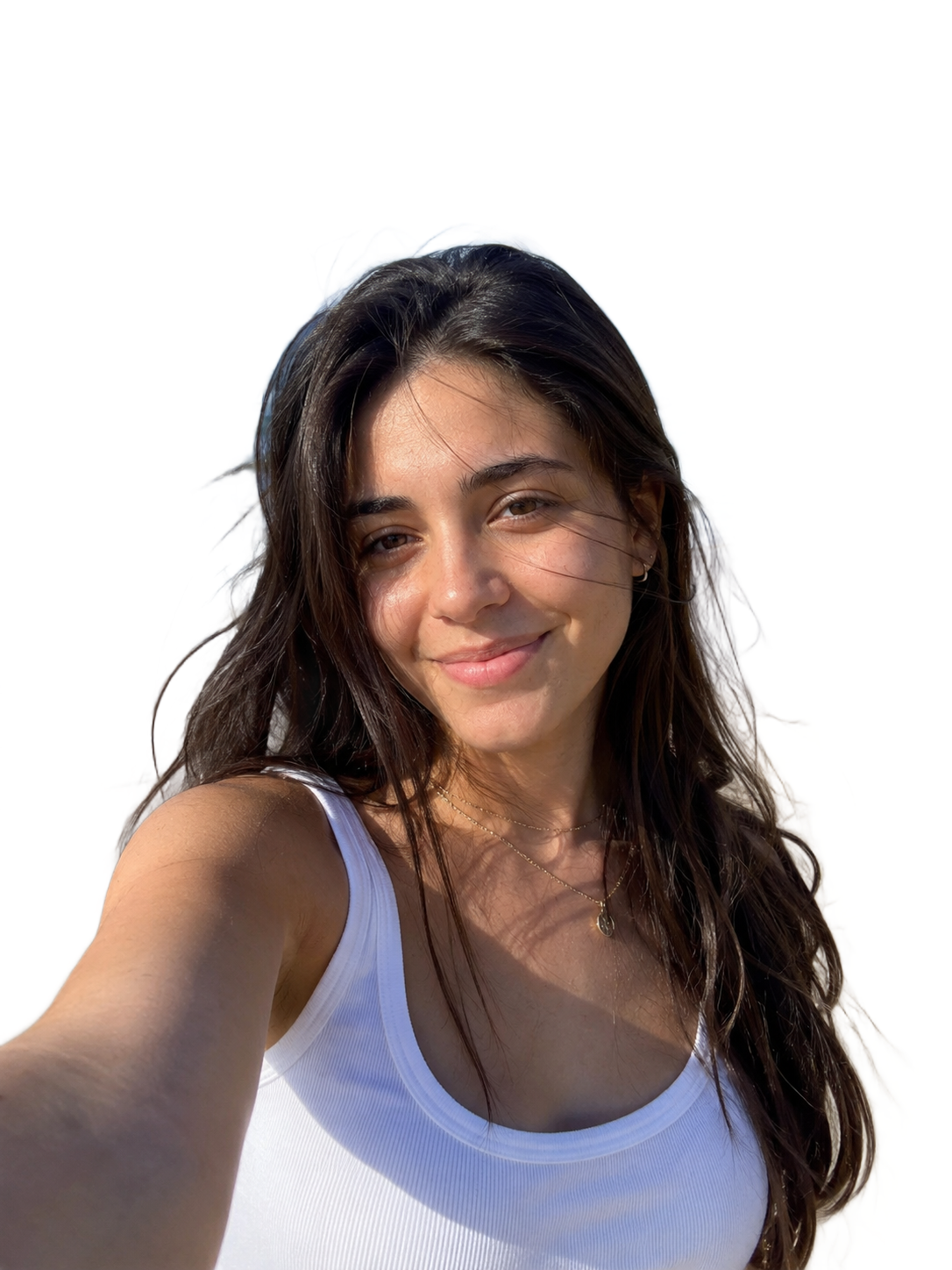
Portrait with loose hair · Portrait and hair
Sky pockets remain above the crown
Several blue and white pockets remain attached to the hair. They are visible on dark backgrounds and require retouching.
Open source measurements and full-size result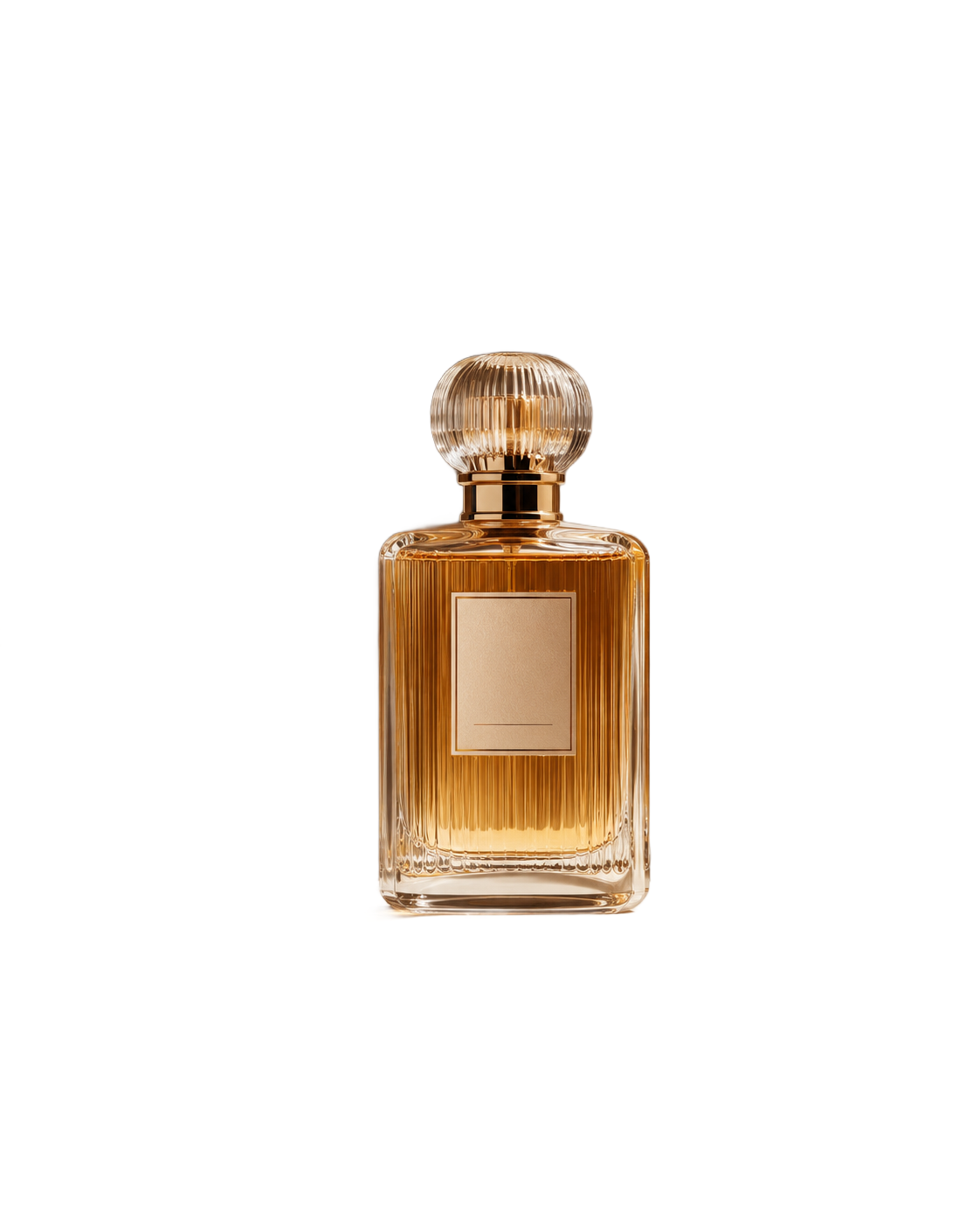
Amber glass bottle · Transparency and reflections
Internal reflections stay with the subject
The model preserves the warm internal structure instead of making the whole bottle transparent, which keeps the product recognizable.
Open source measurements and full-size resultAmber glass bottle · Low contrast and shadows
Base carries a visible fringe
Bright remnants and warm pixels remain below the bottle. Large product cards need a manual cleanup pass here.
Open source measurements and full-size resultPortrait with loose hair · Low contrast and shadows
Bright foam is confused with the subject
White fragments stay beside the hair because the edge and background share similar brightness at this point.
Open source measurements and full-size resultA segmentation model needs visible boundaries
The browser model estimates which pixels belong to the subject. A hard product edge against a contrasting background contains a strong signal. A strand of hair over sky, transparent glass showing the room behind it, or a soft shadow connected to a surface contains a mixture of signals.
That difference explains why two regions inside one image can behave differently. The portrait's arm edge is stable while the loose hair keeps blue and white fragments. The bottle label remains sharp while the transparent base carries a bright fringe.
Hair combines geometry, blur, and background color
Loose hair contains narrow strands, gaps, partial transparency, and motion blur. In the published portrait, blue sky remains inside small gaps above the crown, the left strands are simplified, and white foam is confused with hair on the right. These are three different visible failures around one head.
For a small avatar, preserving the main hair shape may be enough. For a dark full-width banner, the same colored fragments become obvious. Use a simple background behind the head, avoid strong backlight, and keep the highest-resolution source available.
Glass is not an opaque silhouette
Glass shows the original scene through the object. If every background color were removed, the bottle could lose its reflections and stop looking like glass. If every reflection is preserved, the new background may still carry colors from the old one.
Our bottle result keeps enough internal amber structure to remain recognizable. That is useful, but it also means the cutout is not physically neutral. Product photography for glass should use controlled lighting and a destination-aware compositing workflow rather than expecting one automatic mask to fit every background.
Shadows require an editorial decision
A contact shadow can be part of the subject presentation or part of the old background. Removing it completely can make a product float. Keeping it can create a dirty patch on a new layout. The model cannot infer the intended catalog style from the pixels alone.
Decide before processing whether the final layout needs a natural shadow. If it does, photograph on a controlled surface and expect to rebuild or refine the shadow. If it does not, inspect the contact area closely and remove remaining pixels manually.
When to stop using automation
Use the automatic result as a first pass when speed matters more than pixel-level control. Move to a mask editor when the asset is a brand master, a large print, a paid campaign, transparent packaging, or a portrait whose hair boundary is central to the design.
The correct standard is not whether the tool produced a PNG. It is whether the output remains believable on the actual background and at the actual display size.
Related tools
More guides
Workflow - 8 min read
How to Remove a Background and Check the Result
A practical browser workflow for creating a transparent PNG, with measured examples showing which edges still need review.
Troubleshooting - 8 min read
White Edge and Halo Diagnosis After Background Removal
Use real bottle, signature, and logo results to identify pale fringes and decide whether to reshoot, retry, or retouch.
Privacy - 8 min read
What Local Background Removal Protects - and What It Does Not
A technical privacy guide to browser-based processing, model downloads, analytics, advertising, and safe handling after export.